Be yourself; Everyone else is already taken.
— Oscar Wilde.
This is the first post on my new blog. I’m just getting this new blog going, so stay tuned for more. Subscribe below to get notified when I post new updates.
Be yourself; Everyone else is already taken.
— Oscar Wilde.
This is the first post on my new blog. I’m just getting this new blog going, so stay tuned for more. Subscribe below to get notified when I post new updates.
If you exercise regularly, you may lower your risk of a heart attack and stroke. If you’re middle-aged or older and haven’t been exercising regularly or have a chronic health problem. Work with your doctor to develop an exercise program.
To condition your heart safely:
• Start at a comfortable level of exertion Try walking five to 10 minutes over a short distance indoors.
Increase five minutes a session, as tolerated.
• Schedule regular exercise Aim for 30 to 60 minutes a day of low- to moderate-intensity
physical activity.
• Include variety Combine three types of exercise — stretching (flexibility),endurance (aerobic) and strengthening (weight training) and three levels of intensity — warm-up, workout level and cool-down in each exercise session.
• Cross-train to reduce your risk of injury Alternate among exercises that emphasize different parts of
the body, such as swimming, bicycling and walking.
• Don’t overdo it
Start slowly and build up gradually, allowing time between sessions for your body to rest and recover. And forget the saying “No pain, no gain.” A little muscle soreness when you do something new isn’t unusual, but soreness doesn’t equal pain. If it hurts, stop doing it.
• Increase your physical activity Even routine activities such as gardening, climbing stairs or washing floors can burn calories and help improve your health, although not at the same level as a structured exercise program. Just keep moving: Walk or bike to the store instead of driving, park farther away at the shopping mall, take the stairs instead of an elevator.
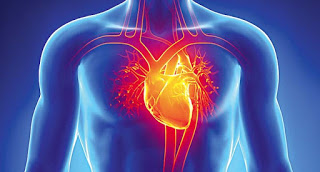
One of the best ways to protect yourself against a stroke or heart attack is by not smoking. Here are other ways:
• Maintain a healthy weight Being overweight increases your risk of high blood pressure, high cholesterol levels, cardiovascular disease and diabetes risk factors for a stroke and heart attack. So eat a nutritious diet and aim for 30 to 60 minutes of physical activity on most days.
• Limit fats and cholesterol Limit meat to a total of 6 ounces daily. Choose fat-free or low-fat dairy products. Limit saturated fats and avoid trans fats. Instead of solid fats (butter, margarine, shortening), use monounsaturated oils (canola, olive and peanut) and polyunsaturated oils (corn, safflower, sesame, sunflower and soy).
• Eat fish that have omega-3sEat fish that have omega-3 fatty acids, such as salmon and trout. (See “Eat foods high in omega-3s.
• Eat plenty of fruits and vegetables Produce contains nutrients such as potassium, folate and
antioxidants that may protect against stroke and heart attack. Eat at least three servings of fruits and at least four servings of vegetables daily.
• Use alcohol moderately, if at all Too much alcohol can raise blood pressure. Moderate drink-
ing is defined as no more than one drink a day for women and anyone age 65 or older and no more than two drinks a day for men under 65.
• Reduce sodium (salt) Limiting sodium in your diet and making other lifestyle changes can help prevent high blood pressure. If you already have it, reducing sodium intake further may help lower it.
Heartburn results from a backup of acid-containing stomach contents into your esophagus. Here are tips for prevention:
• Eat smaller meals Too much food expands your stomach and puts pressure on a band of muscle (the lower esophageal sphincter) that helps keep food and acid from backing up into your esophagus.
• Avoid alcohol, fatty foods, chocolate, spearmint and peppermint These foods can relax your lower esophageal sphincter and promote upward flow of stomach contents.
• Consider using an antacid or H-2 blocker Antacids such as Maalox, Mylanta, Tums and others help neutralize stomach acids temporarily. Over-the-counter histamine(H-2) blockers such as Pepcid AC, Tagamet HB, Zantac 75 and others reduce stomach acid production, which may relieve or prevent symptoms when taken before a meal. But overuse of antacids or H-2 blockers can cause side effects.
• Don’t eat before sleeping Wait two to three hours after eating before lying down. This allows enough time for increased stomach acid produced after a meal to taper off and for the stomach to empty from that meal.
• Stop smoking The nicotine from cigarettes can relax your lower esophageal
sphincter, allowing acid to flow back into your esophagus.
• Lose excess weight Slimming down if you’re overweight helps reduce the pressure
your abdomen puts on your stomach when you’re lying down.
• Wear loose clothes A tight belt or waistband can put pressure on your stomach and push acid into your esophagus, causing discomfort.
• Elevate the head of your bed Raise the head of your bed four to six inches. This helps keep
stomach acid in your stomach, where it belongs.
Diarrhea ordinarily clears up on its own. For a mild case of
diarrhea, here’s how to manage your discomfort at home:
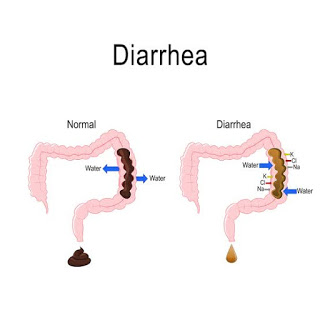
•Drink certain liquids Try broth, diluted fruit juices (except prune juice) and beverages containingelectrolytes, such as Gatorade. Drinks thath have electrolytes help replace the fluids and body chemicals lost during diarrhea.
• Drink enough liquids
Drink enough liquids daily so that you urinate about every four hours. If you have diarrhea and your urine is dark, you may be getting dehydrated. This is a clue to drink more fluids.
• Eat low-fiber foods (only when you have diarrhea) As your symptoms improve or your stools become formed, start to eat low-fiber foods, such as soda crackers, toast (whitebread), eggs, rice or chicken. Don’t consume greasy or fatty foods, milk, or highly seasoned foods for a few days.
• Avoid medications
Short-term diarrhea doesn’t require antibiotics. And for most cases, you don’t need an over-the-counter anti-diarrheal product.These may slow the elimination of the infectious agent and actually prolong your diarrhea. Situations vary, though, so ask your doctor about your specific case.
Several factors, including dehydration, use of diuretics or
overuse of your muscles, can trigger leg cramps.
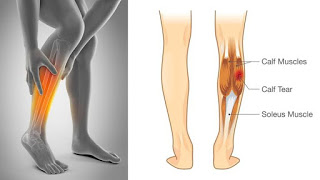
They usually occur during rest or sleep. Your doctor may prescribe quinine
or a muscle relaxant if you have frequent leg cramps.
To prevent leg cramps:
• Stretch daily
At least three times a day, including before bedtime, stretch your calves and feet. Stand two to three feet from a wall,placing your hands on the wall. Keep your heels on the floor.Lean toward the wall and bend one knee. Hold for 15 to 30seconds. Straighten your leg. Repeat with the other knee.
Stretch each leg at least three times.
• Drink plenty of liquids daily Fluids help your muscles contract and relax. To relieve leg cramps:
• Stretch and massage Straighten your leg and point your toes upward while you gently rub the cramp to help the muscle relax.
• Stand up
For a calf cramp, put your weight on the cramped leg and slightly bend your knee. For a thigh cramp, keep both legs straight and lean forward at the waist. Use a chair to steady yourself.
• Apply cold or heat
Use a cold pack to relax tense muscles. Use a warm towel or heating pad later if you have pain and tenderness.
Back pain usually resolves within two to three weeks by taking the simple self-care measures noted below. But contact your doctor immediately if your back pain is the result of a fall or blow to your back, it causes weakness or numbness inbone or both legs, or it causes new bladder or bowel problems.
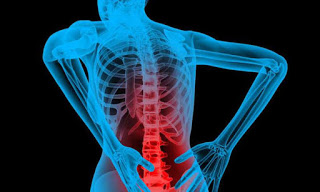
• Apply cold, then heat Apply ice four times a day — but no longer than 20 minutes at a time. Put ice in a plastic bag, then wrap the bag in a cloth or towel to keep a thin barrier between it and your skin. After acute pain subsides, usually within the first two days, try a heating pad (low setting), heat lamp, warm compress or take a warm bath. Limit each heat application to 20 minutes. To
avoid burns, don’t fall asleep while using a heat source.Consider setting a timer to turn off the heat source or to awaken you if you do happen to fall asleep.
• Use over-the-counter medications if needed Acetaminophen may help control pain. Nonsteroidal antinflammatory drugs, such as ibuprofen, also can reduce inflammation. Read labels and use the recommended doses unless your doctor advises otherwise. Check with your doctor if you’re taking other medications.
• Combine rest with gentle movement Get plenty of rest, but avoid prolonged bed rest. Staying in
bed more than two days may slow your recovery. Moderate movement keeps your muscles strong and flexible. Avoid heavy lifting, pushing or pulling.
Follow these tips to help lower your risk of infections:
• Do practice good hygiene
Wash your hands before handling food, after using the bathroom and after handling pets. Wash your hands often when you have a cold.
• Don’t share eating or drinking utensils That’s a good way to spread infections.
• Do cook certain foods thoroughly especially hamburger to kill bacteria
Don’t eat raw or undercooked meat or poultry, raw seafood o raw eggs. Don’t drink or cook with unpasteurized milk.
• Don’t drink water that’s likely contaminated
That includes, for example, water from streams or lakes near campsites or hiking trails.
• Don’t put your fingers in your mouth or eyes
Doing so transmits germs.
• Do avoid contact with ticks and rodents Stay away from these and other disease carriers.
• Do keep up to date with vaccinations They can protect you from life-threatening infectious diseases.
• Do recognize signs of generalized infections Signs and symptoms include, for example, fever, sweats and chills. For skin infections, look for redness and warmth.
• Don’t delay contacting your doctor if you’re sick Many serious infections are treatable in the early stages.
• Don’t expect an antibiotic each time you’re sick Antibiotics don’t help with some common infections, and overuse encourages the growth of drug-resistant microorganisms.
Healthy ways to deal with stress
Take common clues to stress headaches, indigestion, sleeplessness and sweaty palms — seriously. Learn to manage stress using these techniques:
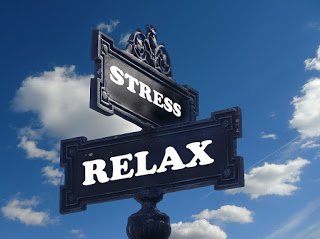
• Change the factors you can You may not be able to walk away from a stressful job or home situation, but you can develop new responses to defuse anger or conflict. You can also learn to manage your time better with stress-lowering techniques from delegating household responsibilities to just saying no.
• Exercise regularly
The natural decrease in adrenaline production after exercise may counteract the stress response. People who are physically fit handle stress better.
• Relax
Learning techniques such as guided imagery, meditation, muscle relaxation and relaxed breathing can help you relax.
Your goal is to lower your heart rate and blood pressure while reducing muscle tension. You can also focus on hobbies or activities you find calming, such as reading, listening to music or playing with your pet.
• Find a friend
From dealing with cancer to coping with a troubled relationship, social support can help reduce stress and prolong life.
• Recognize when you need help
If stress is keeping you from work or recreation, talk with your doctor or a specialist in behavioral medicine. Behavioral therapy is one approach that can help you gain control over your symptoms.
Getting a good night’s sleep
Sleep deprivation can lead to forgetfulness and problems in concentration. To sleep better, consider these suggestions:
• Limit time in bed
Spending too much time in bed usually disrupts sleep in the
middle of the night.
• Don’t try too hard to sleep
Read or watch TV until you become drowsy, and then go to your bedroom to fall asleep naturally. Try to maintain a regular time for going to bed and for getting up.
• Hide the clock
A visible readout of how long you’ve been unable to sleep may worry you needlessly.
• Avoid or limit caffeine, smoking and alcohol Caffeine is a stimulant. Nicotine also can interfere with sleep.
And although alcohol is a depressant and may help you doze off, it can disrupt restful sleep.
• Exercise and stay active
Regular physical activity and exercise contribute to a restful
sleep. Aim for 30 minutes or more of exercise on most days. Avoid exercising too close to your bedtime so it doesn’t interfere with your sleep.
• Watch what you eat before you sleep
A light snack may help you relax before sleeping, but avoid heavy meals and foods that could cause heartburn. Drink less liquid before bedtime so that you won’t have to go to the bathroom as often.
• Avoid or limit naps
Daytime naps can make it harder to fall asleep at night. If you reallyneed a nap, limit it to 30 minutes or less.
• Check your medications
Ask your doctor if any of your medications both prescription and nonprescription — may contribute to insomnia.
This is an example post, originally published as part of Blogging University. Enroll in one of our ten programs, and start your blog right.
You’re going to publish a post today. Don’t worry about how your blog looks. Don’t worry if you haven’t given it a name yet, or you’re feeling overwhelmed. Just click the “New Post” button, and tell us why you’re here.
Why do this?
The post can be short or long, a personal intro to your life or a bloggy mission statement, a manifesto for the future or a simple outline of your the types of things you hope to publish.
To help you get started, here are a few questions:
You’re not locked into any of this; one of the wonderful things about blogs is how they constantly evolve as we learn, grow, and interact with one another — but it’s good to know where and why you started, and articulating your goals may just give you a few other post ideas.
Can’t think how to get started? Just write the first thing that pops into your head. Anne Lamott, author of a book on writing we love, says that you need to give yourself permission to write a “crappy first draft”. Anne makes a great point — just start writing, and worry about editing it later.
When you’re ready to publish, give your post three to five tags that describe your blog’s focus — writing, photography, fiction, parenting, food, cars, movies, sports, whatever. These tags will help others who care about your topics find you in the Reader. Make sure one of the tags is “zerotohero,” so other new bloggers can find you, too.
 Healthtips